

Nutrition
& Diet
Evidence-based nutrition guidance, InBody interpretation, and dietary strategies to maximise AURUM training results.
M06 / 4 Lessons / Advanced
What You Can — and Cannot — Do
Nutrition is the most requested topic outside of training itself. Clients will ask. Having a grounded, science-based response — without crossing into dietitian territory — is a core coaching competency.
- You CAN: Explain energy balance, macronutrients, and general healthy eating principles
- You CAN: Discuss nutrient timing around AURUM sessions
- You CAN: Interpret InBody results and explain trends over time
- You CAN: Identify disordered eating patterns that need professional referral
- You CANNOT: Prescribe specific meal plans or dietary protocols for medical conditions
- You SHOULD: Refer to a registered dietitian for weight management, disordered eating, or disease-specific nutrition
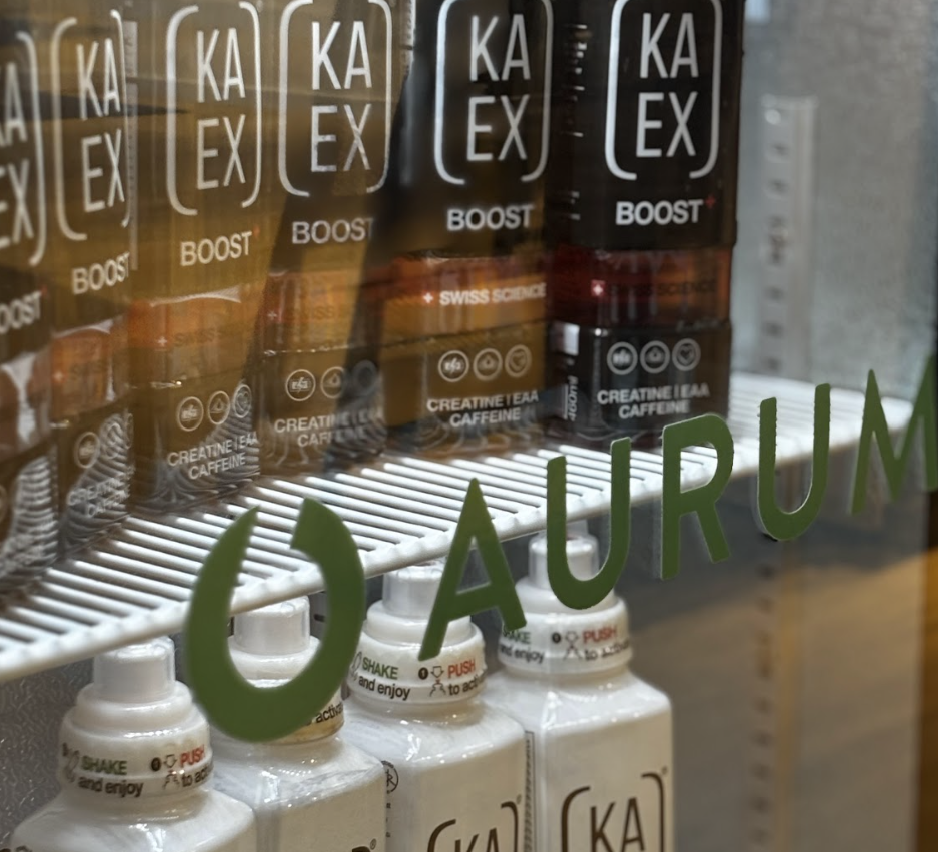
Calories In, Calories Out — and Why It's More Complex
Energy balance determines body composition. Consistently consuming more energy than you expend leads to fat gain; consistently consuming less leads to fat loss. But the story does not end there.
Mifflin-St Jeor Equation for BMR:
BMR = (10 × weight kg) + (6.25 × height cm) − (5 × age) + 5
BMR = (10 × weight kg) + (6.25 × height cm) − (5 × age) − 161
Activity multipliers: Sedentary (×1.2), Lightly active (×1.375), Moderately active (×1.55), Very active (×1.725). AURUM clients training 1–2x/week typically use ×1.2–1.375.
Protein, Carbohydrates, and Fat
Each macronutrient plays a distinct role in performance, recovery, and body composition. Understanding the basics allows you to guide clients toward better choices without prescribing.
Protein
The building block of muscle. Essential for repair and growth after every AURUM session. Recommendation: 1.6–2.2g per kg of body weight for strength-training adults. Sources: meat, fish, eggs, dairy, legumes, whey. Key: distribution matters — spread intake across 3–5 meals for maximum muscle protein synthesis.
Carbohydrates
The body's preferred fuel for high-intensity exercise. Glycogen (stored carbohydrate) powers the glycolytic system that drives AURUM sessions. Not the enemy — but quality and timing matter. Prefer: wholegrains, vegetables, fruit. Limit: refined sugars and processed carbs.
Fat
Essential for hormone production (including testosterone and growth hormone — both critical for strength adaptation), joint health, and fat-soluble vitamin absorption. No need to fear dietary fat — but choose unsaturated sources: olive oil, nuts, avocado, fatty fish.
The One Nutrient
AURUM Coaches Prioritise
Of all nutritional variables, protein intake is the single most important for maximising the adaptation to AURUM training. Most clients are under-consuming it significantly.
1.6g/kg minimum
The research consensus for muscle protein synthesis (MPS) in active adults. Below this, AURUM gains are blunted.
2.2g/kg optimal
For clients actively gaining muscle mass — older adults, post-rehabilitation, athletes.
Every meal matters
20–40g of protein per meal maximises MPS. 3–5 meals per day distributes this optimally.
Post-session priority
Within 2 hours after AURUM, muscle is primed for protein uptake. A high-protein meal or shake here is highly beneficial.
Leucine threshold
The amino acid leucine triggers MPS — found in high-quality animal protein and whey. Aim for 2–3g leucine per meal.

Before, During, and After: When Food Matters
For AURUM clients training 6 minutes once or twice a week, nutrient timing is less critical than total daily intake. But for optimal recovery — especially in performance-oriented clients — timing adds an edge.
Pre-Session
A balanced meal containing protein and carbohydrates. Goal: topped-up glycogen stores, adequate amino acids available. Avoid: high-fat or high-fibre meals immediately before (slow digestion). Example: Chicken and rice, Greek yoghurt with fruit, scrambled eggs on wholegrain toast.
Post-Session (Priority)
The anabolic window — muscle protein synthesis is elevated and glycogen replenishment is accelerated. Target: 20–40g protein + 30–60g carbohydrates. Example: protein shake with banana, salmon with sweet potato, cottage cheese with oats.
Daily Consistency
For clients training 1x/week, post-session timing matters — but daily protein distribution matters more. Three adequate-protein meals beats one large protein meal after training.
Hydration note: Even mild dehydration (1–2% body weight) reduces strength output significantly. Recommend clients arrive to AURUM sessions well-hydrated.
Reading InBody Results with Clients
The InBody scan provides a more complete picture of body composition than weight alone. Used correctly, it reframes the conversation from 'the scale' to meaningful health metrics.
Skeletal Muscle Mass (SMM)
The primary metric to track in AURUM clients. Increases in SMM represent real adaptation. Celebrate this number.
Body Fat Mass / % BF
Secondary to SMM. Fat loss is a natural consequence of increasing SMM and energy intake management.
BMI vs Body Composition
BMI is an unreliable metric. A muscular client may have a 'high' BMI but excellent body composition. Always lead with InBody over BMI.
Segmental Lean Analysis
Shows muscle distribution across five body segments — useful for identifying imbalances the Balance metric supports.
Visceral Fat Level
Adipose tissue surrounding organs — strongly linked to metabolic disease risk. Strength training is uniquely effective at reducing visceral fat.
What to Say When Clients Have It Wrong
Clients arrive with nutrition misconceptions from social media, magazines, and well-meaning friends. Correcting these — calmly and with evidence — builds authority.
'Carbs make you fat'
Carbohydrate excess causes fat storage — not carbohydrates themselves. Total caloric surplus is the cause. Wholefood carbs support training performance and recovery.
'I need to eat less to lose weight'
Chronic undereating reduces BMR, impairs recovery, and causes muscle loss — making long-term fat loss harder. Adequate protein + moderate deficit is evidence-based.
'Protein damages kidneys'
In healthy adults, high protein intake (up to 3g/kg) shows no kidney toxicity. This concern applies only to those with pre-existing kidney disease.
'Fat makes you fat'
Dietary fat is essential for hormonal health. It does not directly cause adiposity. Caloric surplus from any macronutrient is the relevant factor.
Fuel the
Adaptation.
Training creates the signal. Nutrition provides the materials to act on it. A client who trains with AURUM and eats well will make progress that surprises them. A client who trains with AURUM and under-eats will plateau and blame the machine. Know the difference. Guide accordingly.
Next: Module 7 — Goal Setting & Motivation → The Psychology of Lasting Change