Courses / Training Bundle / Module 4: Principles of Training
Principles of Training
The complete science behind every programme decision: individuality, specificity, overload, progression, and periodization, together with the physiology, the evidence base, and the mental-health science that explain why it works.
Unlocked after completing the Core (Modules 1–3).
About This Module
This is the opening module of the Training bundle, unlocked once you've completed the Core (Modules 1–3). It bridges the gap between practical machine operation and the deeper science of why training works the way it does.
You'll learn how the body produces energy through three distinct systems (ATP-CP, glycolytic, and aerobic), how muscles adapt through supercompensation, and why the balance between anabolic and catabolic processes determines training outcomes.
From there it goes further than a standard principles module: it also carries the physiology underneath the six principles, the mental-health science of training, and the full evidence base for why strength training works — content that used to be spread across three separate modules, now consolidated here as lessons 4.4–4.6.
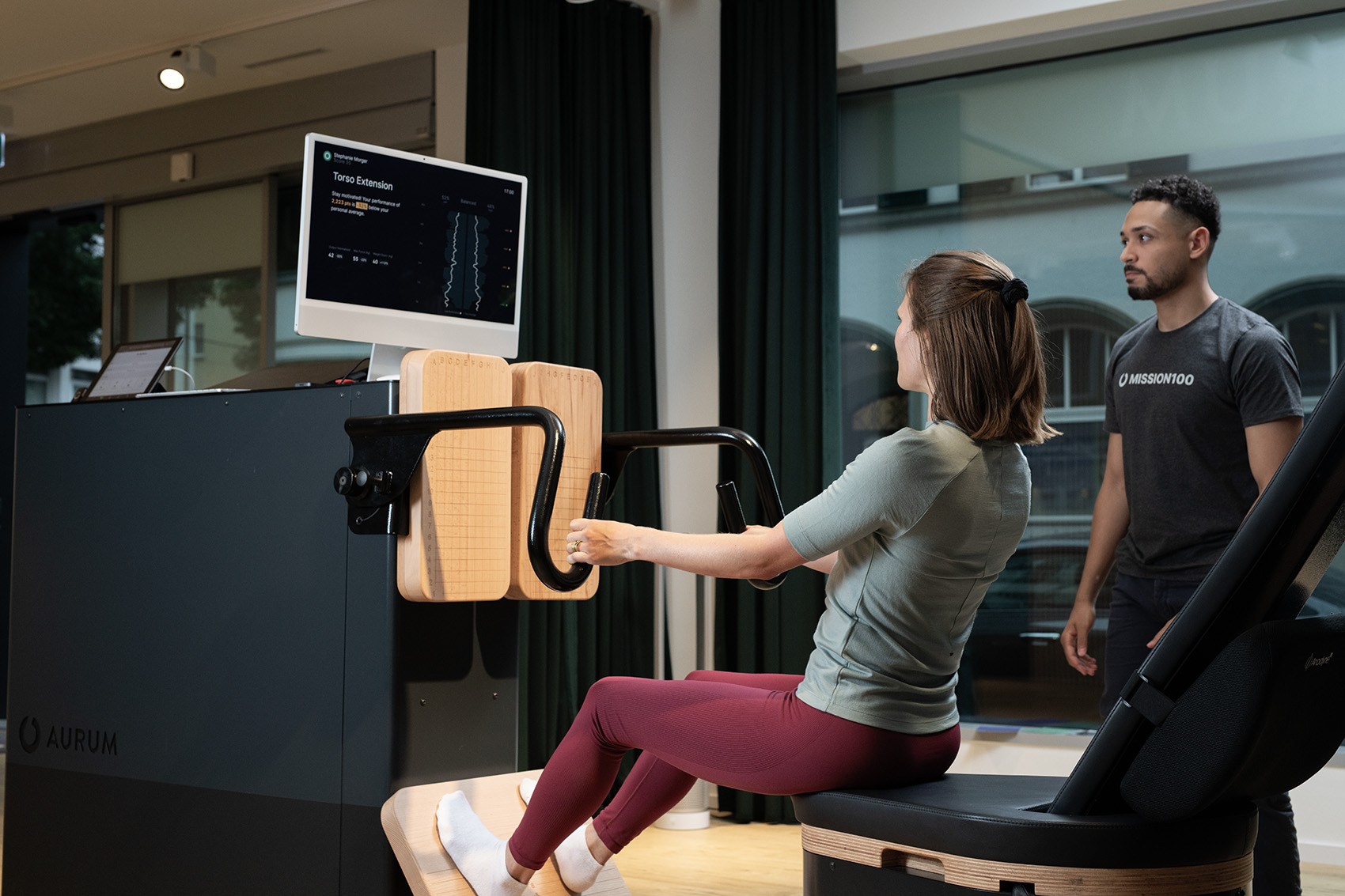
The module culminates with a detailed comparison of AURUM's isokinetic approach vs. conventional strength training, showing how each of the 5 basic principles is better served by the AURUM ONE system.
The Three Energy Systems
The 5 Basic Principles
AURUM vs Conventional: 6 Advantages
What You'll Learn
- Three energy systems and how they fuel different exercise intensities
- Supercompensation, hormonal responses, and cardiovascular adaptations
- The 5 fundamental training principles and how AURUM applies each one
- Periodization: macrocycles, mesocycles, and microcycles
- Strength training methods and intensity zones (hypertrophy, max strength, endurance)
- How AURUM compares to conventional training across all principles and its 6 key advantages
Module Details
Requirements
- Completion of Module 3: AURUM Training
- Understanding of all 6 exercises and power curves
Isokinetic Trainer Certification
Complete this module to unlock the Certification Quiz. 55% overall pass rate.
Preview Certification Quiz