Courses / Further Education / Module 5: Human Physiology
Human Physiology
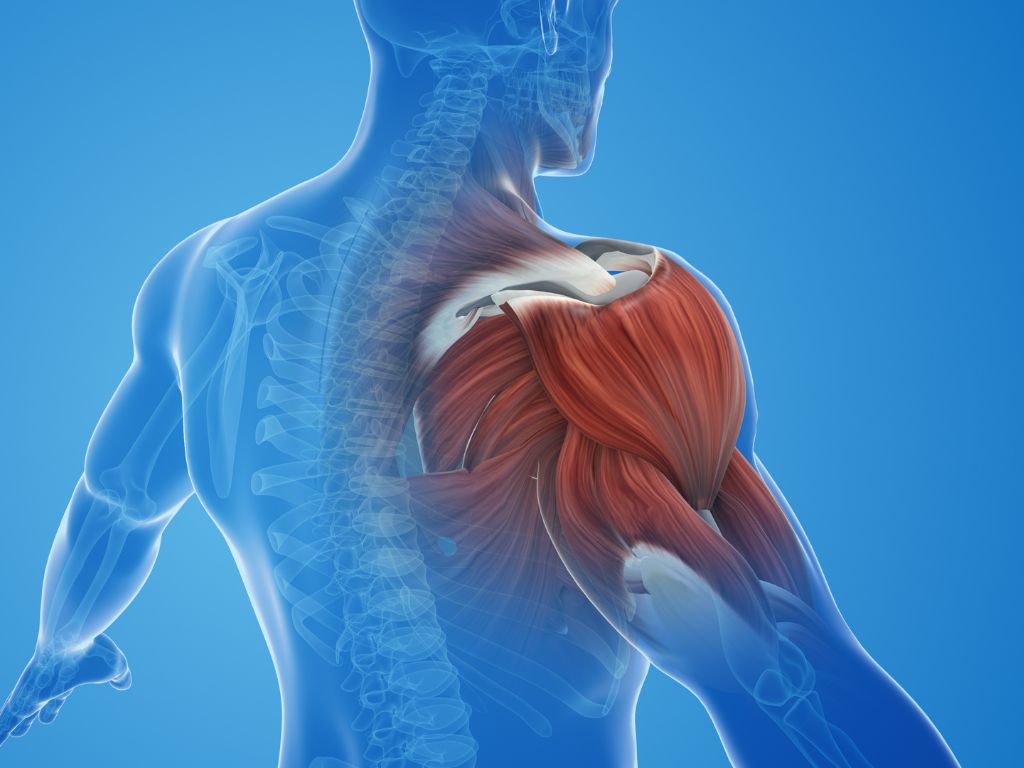
A deep dive into the anatomy and physiology underlying every AURUM training session. Understand the musculoskeletal system, cardiovascular and nervous system responses to training, posture and movement principles, and how energy is produced and used during exercise.
Part of the Further Education track — required for annual recertification.
About This Module
Every AURUM training session creates a cascade of physiological responses — from the recruitment of motor units in specific muscles to the cardiovascular adaptations that follow consistent training. As a certified AURUM coach, understanding why the body responds the way it does is essential for delivering evidence-based guidance and confident client communication.
This module is built on the SAFS (Swiss Academy of Fitness and Sports) Fitnessbetreuer curriculum and covers the four pillars of applied exercise physiology: the musculoskeletal system, the cardiovascular and nervous system, posture and movement, and energy metabolism.
By the end of this module you will be able to explain adaptation, describe exercise physiology to clients in plain language, and make better programming decisions grounded in anatomy.
Key Physiological Systems
The Functional Circle Concept
The body is divided into four functional circles (Funktionskreise), each combining passive and active movement structures. Understanding this framework allows coaches to design programs that address specific weaknesses systematically.
What You'll Learn
- The passive and active musculoskeletal system — bones, joints, muscles, tendons
- How the cardiovascular and nervous systems respond to training
- Principles of neutral posture, fundamental movement patterns, and muscular imbalances
- The three energy systems: ATP-CP, anaerobic glycolysis, aerobic
- The four functional circles and how to apply them to programming
- Training load principles: intensity, volume, frequency, and recovery
Module Details
Requirements
- Completion of Modules 1–4 (Isokinetic Trainer Certification)
- Basic familiarity with exercise and training concepts
Module 6: Nutrition & Diet
BMR, macronutrients, nutrient timing, and evidence-based dietary strategies.
Preview Module 6